TL;DR
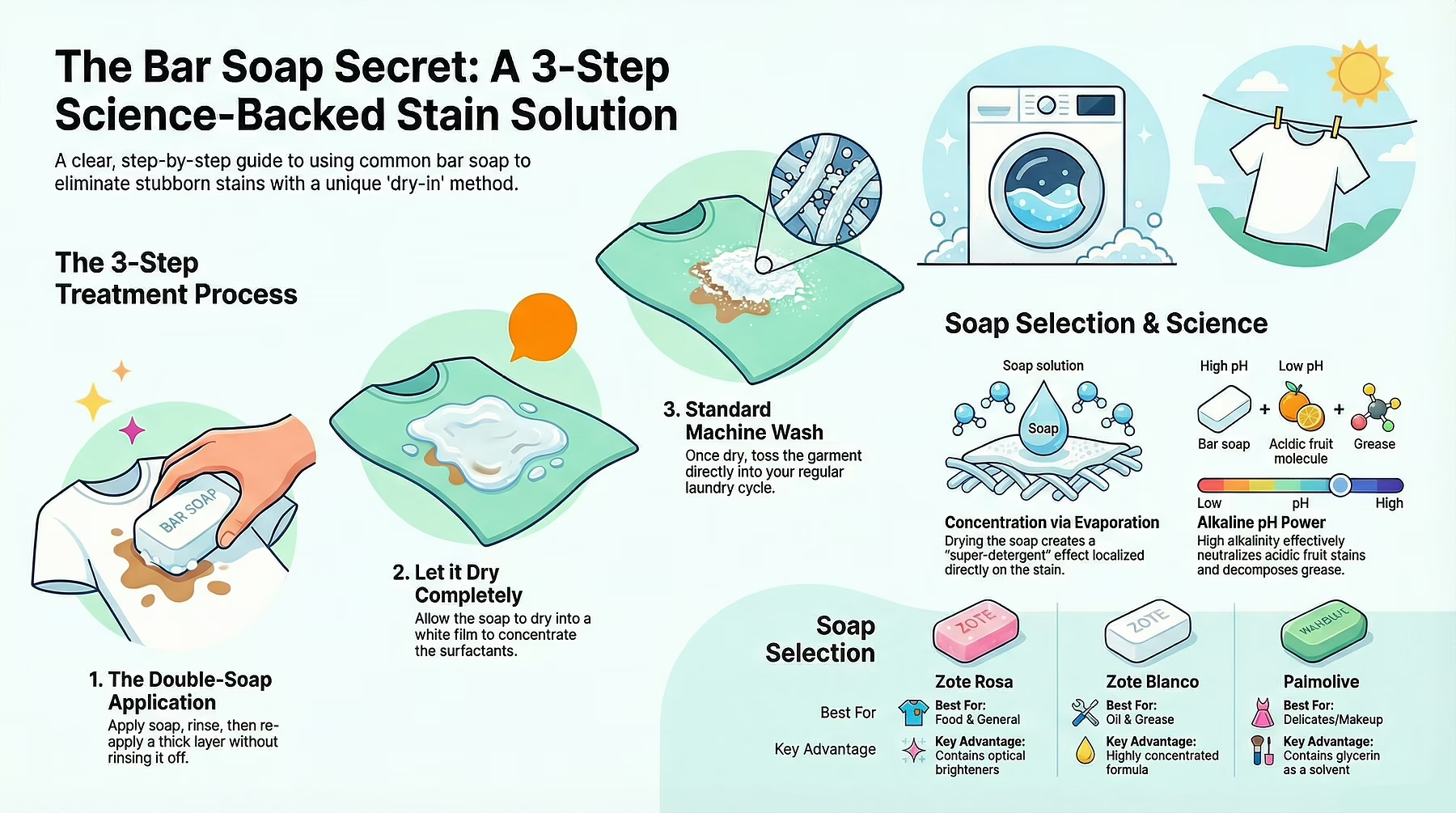
- Bar soap — specifically Zote or Palmolive bar — works better than liquid detergent on grease, grass, and mystery stains because of how surfactants behave when applied dry and concentrated directly to fabric.
- The method: wet the fabric, rub the bar directly on the stain, let it sit 5–10 minutes, then wash normally. That’s it. No soaking. No special products.
- Hot water before soap on protein stains (blood, egg, sweat) sets the stain permanently. Cold water first, always.
- It doesn’t work on everything. Ink and red wine have their own rules. Pretreating old dried stains needs more patience than I usually have.
I didn’t start using bar soap on stains because I researched it. I started because my mother did it, and her mother did it, and at some point it just became the thing I do when something goes wrong on fabric.
It’s one of those inherited habits you carry without inspecting — like how you let rice sit off the heat for ten minutes before serving, or how you put a bay leaf in beans without being entirely sure what it’s doing. The action is automatic. The reasoning, if you ever had it, got lost somewhere in the handoff.
For three years I’ve kept a bar of Zote on the shelf next to the washing machine. Pink. The big one, 400g. It’s been there long enough that it has a permanent indent from my thumb.
Last week I finally looked up why it works.
The short version: it’s concentration.
Liquid laundry detergent is formulated to dissolve quickly and distribute evenly through a full drum of water. That’s exactly what you want for a general wash. It’s not what you want when you’re trying to remove a specific, stubborn stain — because by the time the water dilutes the detergent down to where it touches the fabric, the concentration is nowhere near high enough to do the heavy lifting.
Bar soap applied directly to wet fabric doesn’t have that problem. You’re putting the surfactant right where the stain is, undiluted, and giving it time to break down the oils or residue before any water gets involved in the equation.
"The surfactant has to reach the stain at full strength. Everything else is just delivering it there."
— the chemistry, translated into something I can work withZote in particular has a higher fat content than most commercial bar soaps — it was originally designed for handwashing clothes, not bodies, so it’s genuinely more aggressive on grease. Palmolive bar sits somewhere in the middle: milder, but still concentrated enough to work on most food stains and ground-in dirt. I use Zote for the serious ones. Palmolive if I’m in the kitchen and the Zote is upstairs.
i have two bars of soap in different rooms of my house and i am fine with this.
The method I use, which I’ve refined across approximately one thousand small disasters:
Wet the stained area first — not soaking, just damp. Rub the bar directly on the fabric until you get a thin lather. Work it in a little with your fingers. Leave it for five to ten minutes, then throw it in the wash at whatever temperature the label says.
That’s the whole thing.
The one exception that matters: protein stains. Blood, egg, sweat, anything that came from something alive — cold water first, always. Hot water cooks protein into the fabric at a molecular level and you will not get it out. I learned this the hard way on a white shirt that is now a rag.
Where it doesn’t work, or works badly:
Ink is its own category. Bar soap will smear it before it removes it, and you’ll end up with a larger, lighter stain instead of a smaller darker one. Rubbing alcohol is a better starting point for ink.
Red wine responds to bar soap if you catch it fresh. If it’s dried and set, you’re looking at an enzymatic cleaner or a long soak in cold water with baking soda first. I’ve had maybe a 60% success rate on dried red wine with bar soap alone. I’m willing to live with those odds.
Old stains in general — anything that’s been washed and dried before you noticed it — take longer. The heat from a previous wash has already started bonding the stain to the fibers. You can still get results, but you need to leave the soap on for twenty or thirty minutes, not five. Sometimes I do two rounds.
The thing I keep coming back to is how long I did this without understanding it. I wasn’t wrong — the instinct was correct — but I was also just trusting inherited muscle memory without any of the reasoning. Which is fine, until you hit an edge case. Until someone asks you why and you realize your answer is “because my mom.”
Now at least I know what I’m actually doing when I reach for the bar. It’s not magic. It’s just surfactant concentration and contact time and cold water on blood.
Somehow that makes me trust the pink bar of Zote more, not less.
Key takeaways
- Wet fabric first, then rub bar soap directly on the stain. Let it sit 5–10 minutes before washing.
- Zote for grease and the hard ones. Palmolive bar works fine for most food stains.
- Cold water before soap on anything protein-based. Hot water first sets the stain.
- Ink: skip the soap, go to rubbing alcohol.
- Dried stains need 20–30 minutes of contact time, not 5. Sometimes two rounds.
- It works because of concentration — direct application beats diluted detergent reaching the same stain through a full wash.